


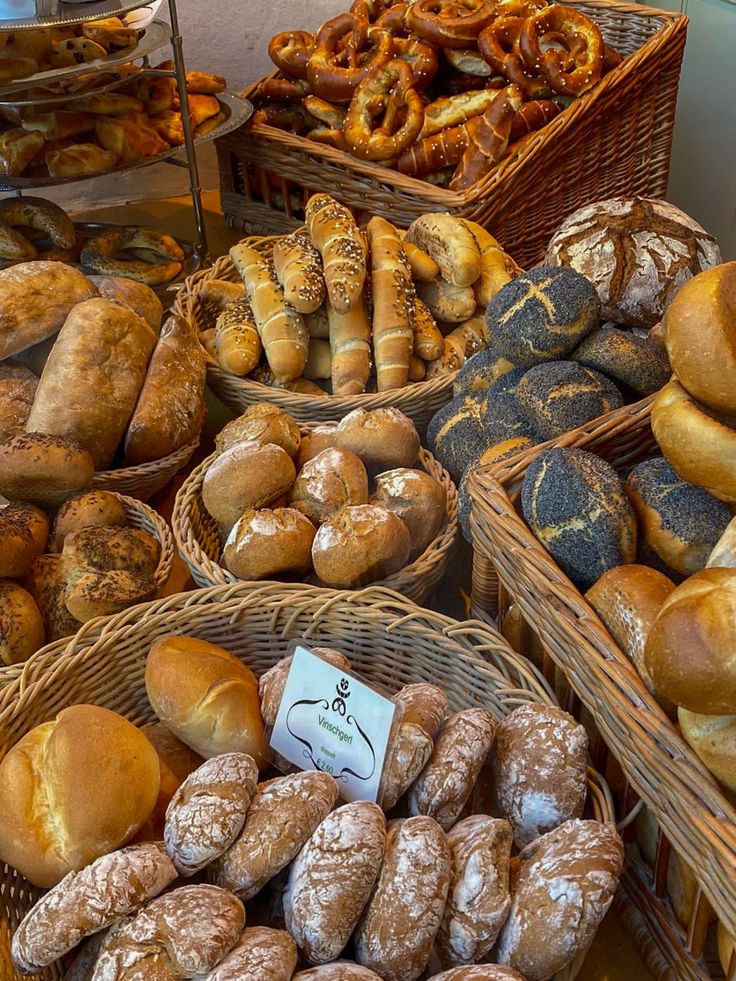

Classic Baking Techniques Used in Modern Bakery Shops
The Enduring Importance of Hand Lamination
In an age of automation, many modern bakery shops still rely on the classic technique of hand lamination to create exceptional croissants, Danish pastries, and puff pastry. This method involves folding cold butter into dough multiple times www.krishna-bakery.com to create hundreds of thin layers. When baked, the water in the butter turns to steam, pushing the layers apart to produce a light, flaky texture. While machines can speed up the process, skilled bakers know that hand lamination allows better control over butter temperature and dough thickness. High-end bakeries proudly train new bakers in this centuries-old French technique because it directly affects the final product’s taste and structure. Customers recognize the difference in a croissant that shatters delicately with each bite versus one that feels dense or greasy.
Slow Fermentation and Sourdough Starters
Before commercial yeast became widely available, bakers relied on naturally fermented starters to leaven bread. Modern artisan bakeries have revived this classic technique, maintaining “mother” starters that may be decades or even centuries old. These starters, made from just flour and water, capture wild yeasts and bacteria from the air. Slow fermentation, often lasting 12 to 24 hours, develops complex flavors, improves digestibility, and creates a crispy, caramelized crust. Even bakeries that are not strictly sourdough-focused often incorporate preferments like poolish or biga into their baguettes and rustic loaves. This patient approach stands in stark contrast to mass-production methods that use chemical dough conditioners and rapid proofing. Customers increasingly seek out traditionally fermented breads for their superior taste and health benefits.
The Art of Enriched Dough Handling
Enriched doughs, which contain butter, eggs, milk, and sugar, require classic handling techniques to achieve the right texture. Brioche, challah, and panettone fall into this category, and modern bakeries use time-honored methods to prevent these delicate doughs from becoming tough or greasy. The key is maintaining proper dough temperature during mixing and using the “windowpane test” to check gluten development. Skilled bakers also understand the importance of retarding, or slow-proofing, enriched doughs in refrigerators overnight. This classic technique allows flavors to deepen and makes the dough easier to shape. Without these traditional skills, enriched doughs turn out dry or leaden rather than tender and rich. Bakeries that master these methods earn loyal followings for their exceptional brioche buns and holiday stollen.
Scoring, Steaming, and Oven Spring Techniques
A beautiful loaf of bread is not just about ingredients; it involves classic baking techniques that happen in the final moments before the oven door closes. Scoring, or slashing the top of proofed dough, guides how the bread expands during baking. Different scores produce different patterns and crumb structures, from a single deep slash on a bâtard to a crosshatch pattern on a boule. Steaming the oven during the first few minutes of baking keeps the crust soft so the dough can achieve maximum “oven spring” — the final burst of expansion. Modern bakery shops equip their ovens with steam injectors to replicate the conditions of traditional brick ovens. Without proper steam and scoring, bread emerges with a dull, thick crust and dense interior. These classic techniques separate artisanal bread from ordinary bakes.
Retro Baking Methods in Modern Equipment
While modern bakeries use convection ovens, planetary mixers, and temperature-controlled proofers, many still incorporate retro methods to enhance quality. Stone-decked ovens, for example, mimic the heat retention of ancient masonry ovens, producing bread with superior crust and crumb. Some bakers use linen couches to support baguettes during final proofing, a technique unchanged for centuries. Hand-shaping bread instead of using molds creates more rustic, irregular loaves that customers love. Even cooling is done traditionally — on wire racks at room temperature rather than forced-air cooling, which can dry out products. By blending classic techniques with modern efficiency, today’s bakeries produce goods that honor the past while meeting contemporary expectations. These methods are not nostalgic gimmicks; they are proven approaches that deliver superior taste, texture, and appearance.